How to Start Composting Food Scraps in Your Backyard
Quick answer
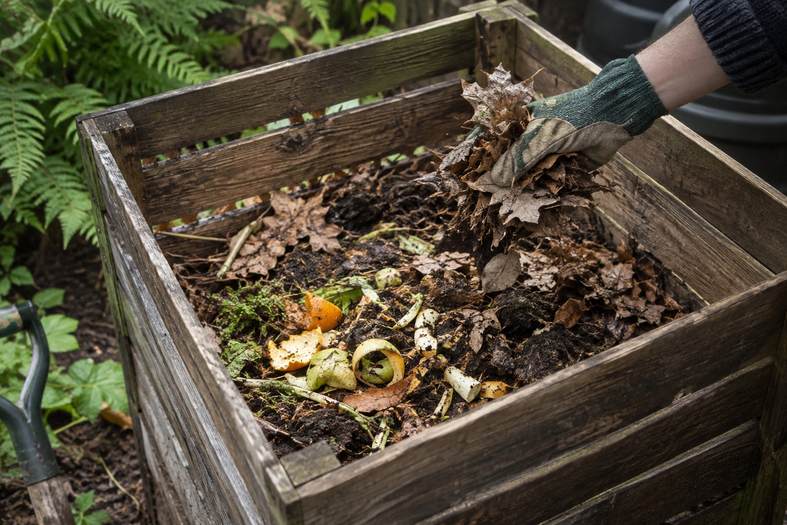
Mix suitable food scraps with dry leaves or other carbon rich material in a ventilated pile or bin. Maintain moisture and airflow, and avoid materials that attract pests or create hazards.
Step-by-Step
Choose a suitable composting location
Place a ventilated bin or pile where you can maintain it easily.
Combine food scraps with dry materials
Cover suitable fruit and vegetable scraps with dry leaves or plain cardboard.
Maintain moisture and add air
Keep the pile damp without saturation and turn it periodically.
Wait for a mature finished texture
Use compost when materials have broken down into a dark, earthy mixture.
Quick Check
Two quick choices. A next step for you.
- 1Your situation
- 2A closer look
What are you facing right now?
Why does my pile smell unpleasant?
What do you notice in the pile?
Why is nothing breaking down?
What are the materials like?
Can I add meat or dairy?
Which composting route are you using?
How can I tell compost is ready?
What does the material look like?
Your next step
Choose your situation to read the advice.
Why does my pile smell unpleasant?
It feels too wet or compacted
Mix in dry brown material and improve airflow. Check that the ingredients are suitable for a basic backyard pile.
It contains unsuitable food scraps
Check the ingredients against basic backyard compost guidance. Avoid meat and dairy, and review moisture and airflow too.
Why is nothing breaking down?
Large pieces that feel very dry
Chop large dry pieces and check moisture. Review airflow and the balance of ingredients before expecting faster breakdown.
Moist but tightly packed material
Check airflow and the ingredient balance. Improve the setup rather than adding more material without checking conditions.
Can I add meat or dairy?
A basic backyard compost pile
Avoid meat and dairy in a basic backyard pile because they can attract pests. Check the suitability of the other ingredients.
A local food scrap collection
Check that program’s accepted materials. Local collections may accept different ingredients under their own rules.
How can I tell compost is ready?
Many scraps are still recognizable
Continue maintaining moisture and airflow while the material breaks down. Wait for a mature texture before using it as finished compost.
It is dark and earthy
Check that the materials have broken down into a mature, earthy mixture. Judge readiness by the finished condition rather than a fixed date.
Common Mistakes
Adding every food related item
Basic backyard systems cannot handle all materials accepted by commercial composting facilities.
Letting the pile become waterlogged
Excess moisture reduces air spaces and can create unpleasant conditions.
Leaving fresh scraps exposed
Cover suitable food scraps with brown material to reduce unwanted visitors.
Important Things to Know
Check local rules and keep pet waste, treated wood, and unsuitable packaging out of a basic backyard pile.
Bottom Line
Build a manageable mix of suitable scraps, dry material, moisture, and air. Adjust conditions rather than expecting every pile to finish on schedule.
Next article