How to Sort Household Recycling Without Guessing Wrong
Quick answer
Check your local collection rules, separate accepted materials, and prepare them as instructed. Keep hazardous items and materials your program rejects out of the household recycling bin.
Step-by-Step
Read your local collection guidance
Check the current accepted materials list for your specific collection service.
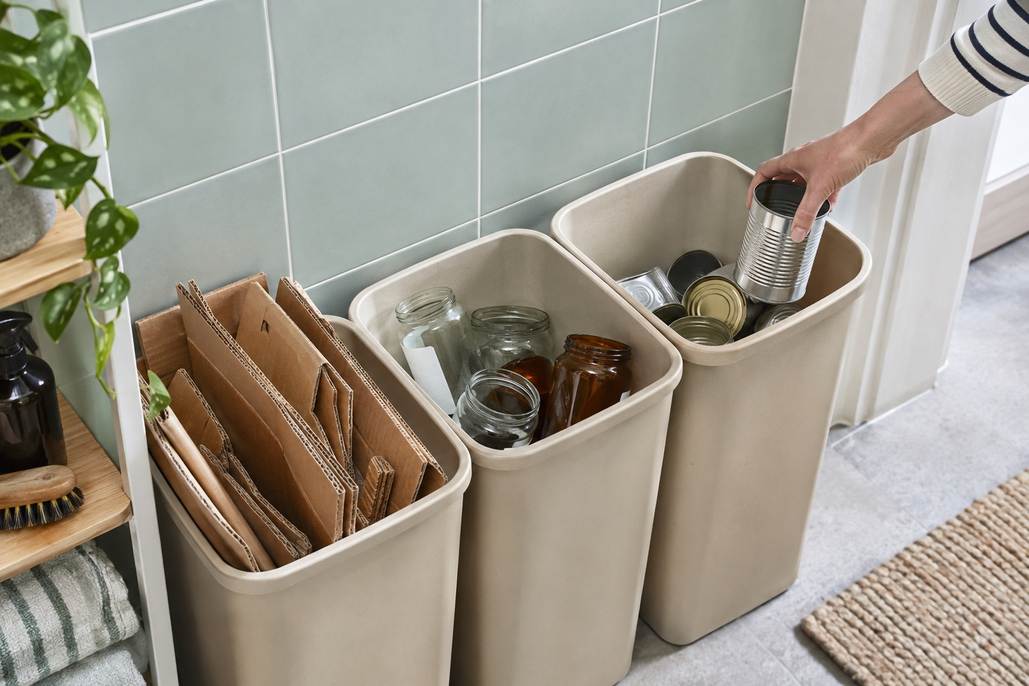
Empty and prepare accepted packaging
Follow local instructions about rinsing, lids, flattening, and separating components.
Set rejected or hazardous items aside
Use the appropriate collection or disposal route instead of guessing.
Quick Check
Two quick choices. A next step for you.
- 1Your situation
- 2A closer look
What are you facing right now?
Does the recycling symbol guarantee acceptance?
Have you checked your local program?
Can plastic bags go in my bin?
Where were you planning to put it?
Where should batteries go?
Do you know the battery type?
How should I prepare accepted packaging?
What needs checking?
Your next step
Choose your situation to read the advice.
Does the recycling symbol guarantee acceptance?
No, only the package symbol
Look up your collection program’s instructions. Match both the material and packaging format; the symbol alone does not guarantee acceptance.
Yes, but the packaging is unclear
Compare the exact material and format with the local instructions. Do not guess acceptance from the symbol alone.
Can plastic bags go in my bin?
My ordinary curbside recycling bin
Check your local instructions first. Many curbside programs reject plastic bags and film.
A separate bag collection point
Check that collection point’s accepted materials and preparation instructions. Do not assume every plastic bag or film is suitable.
Where should batteries go?
Yes, I can identify the type
Use official local disposal guidance for that type. Many batteries need separate collection rather than ordinary mixed recycling.
No, I am not sure
Identify the battery type using official guidance before choosing a collection route. Do not place it in mixed recycling by guesswork.
How should I prepare accepted packaging?
Food or liquid remains inside
Empty the packaging and follow your local program’s cleaning instructions. Check the rules for that material before placing it in the bin.
Lids or separate parts
Check local guidance on lids, flattening, and separating components. Prepare each accepted part as instructed rather than assuming one rule covers everything.
Common Mistakes
Adding doubtful items just in case
Unaccepted materials can contaminate the stream or interfere with sorting equipment.
Assuming all plastic is accepted
Acceptance depends on the material, packaging format, and local processing system.
Bagging recyclables against local instructions
Plastic bags may interfere with equipment when the program requires loose materials.
Important Things to Know
Recycling rules vary by location and change over time. Use your collector’s instructions for specific items and hazardous materials.
Bottom Line
Let local acceptance rules decide what enters the bin. When uncertain, check the item instead of relying on its symbol alone.
Next article